Non-trivial, as we programmers say, but this is a very clear description of how one COVID vaccine works. If you want to know the details, it’s complicated but fascinating. I was particularly intrigued by how much we understand and can manipulate at a very basic level of our own biology:
An mRNA vaccine achieves the same thing (‘educate our immune system’) but in a laser like way. And I mean this in both senses – very narrow but also very powerful.
So here is how it works. The injection contains volatile genetic material that describes the famous SARS-CoV-2 ‘Spike’ protein. Through clever chemical means, the vaccine manages to get this genetic material into some of our cells.
These then dutifully start producing SARS-CoV-2 Spike proteins in large enough quantities that our immune system springs into action. Confronted with Spike proteins, and (importantly) tell-tale signs that cells have been taken over, our immune system develops a powerful response against multiple aspects of the Spike protein AND the production process.
And this is what gets us to the 95% efficient vaccine.
We sincerely don’t want to relive this year. But our job is to review it. If you would prefer to skip this exercise in masochism, we completely understand.
If, however, you wish, for some sick reason, to re-experience 2020, now is the time to put on your face mask, douse your entire body with hand sanitizer and then — to be safe — don a hazmat suit, as we look back at the unrelenting insanity of this hideous year, starting with …
Normally as the winter gets colder, we cheer ourselves up by lighting a warm fire in the fireplace, or at least watching one on TV. But this year? 2020? Hah. For this year, we have a one-hour video of a dumpster fire… literally.
Watch for: at 2:40 the 2020 planner going in; 9:00 hand sanitizer; 12:00 stockings hung; 15:00 toilet paper; 21:00 Zoom meeting request; 23:15 a tie; 25:00 a bra; 29:00 face masks; 35:15 wiping the poker down with a cleaning wipe; 36:45 the wipes go in; 38:30 an OPEN/CLOSED sign; 41:00 stale rolls; 45:20 a 1,000-piece jigsaw puzzle; 51:30 printed-out emails and a travel bag.
Includes traditional holiday music like Jingle Bells and Silent Night.
Further notes from This is True: “…a 2020 appointment book, hand sanitizer, face masks. “The sourdough starter was hilarious to me,” said managing partner Karissa Anderson, “because I couldn’t get mine started for the life of me.” Airline tickets and a suitcase represented cancelled plans; a jigsaw puzzle stood in for boredom. The hard part, Anderson says, was getting a fire to burn in a dumpster for a full hour: her dad had to weld up a custom dumpster with a grate as the bottom so it could pull up air to feed the flames.”
XKCD has an intriguing map of where Democratic and Republican voters were. It’s a lot more evenly distributed than you might think: https://xkcd.com/2399/. Remember to hover your mouse over the graphic for more information.
There are legitimate scientific journals, and then there are legitimate-sounding ripoff “predatory journals” that will print almost anything for a fee. Matan Shelomi submitted an article to one:
On March 18, 2020, the American Journal of Biomedical Science & Research published my paper claiming that eating a bat-like Pokémon sparked the spread of COVID-19. This paper, “Cyllage City COVID-19 outbreak linked to Zubat consumption,” blames a fictional creature for an outbreak in a fictional city, cites fictional references (including one from author Bruce Wayne in Gotham Forensics Quarterly on using bats to fight crime)…
At least 87 percent of the world’s most-popular Web domains engage in some form of digital tracking without you ever signing in, according to investigative journalism nonprofit the Markup. Many, it found, even covertly record the way you move your mouse or type. This is the hidden tech that lets companies learn who you are, what you like and even the secrets you look at online so they can tailor what you see, make ads follow you around — or even sell your information to others.
The good news: You can run a privacy check on any site yourself by using the free tool made for the audit, called Blacklight.
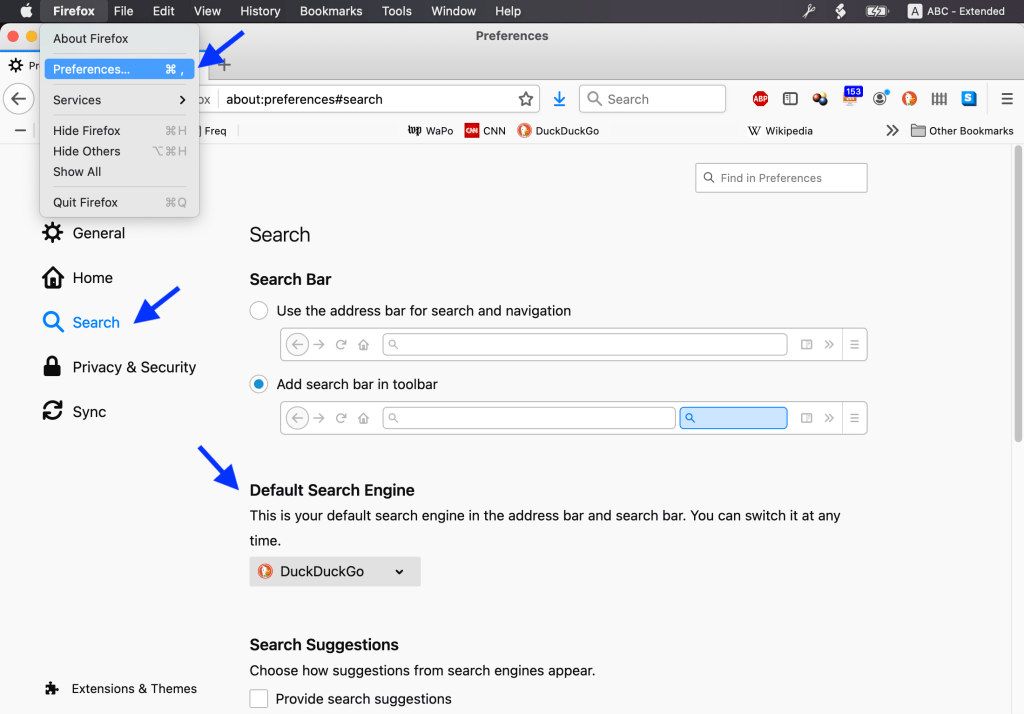
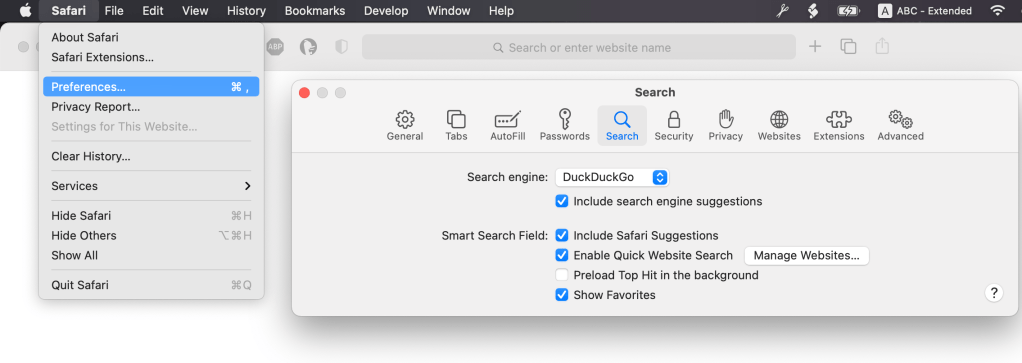
There are steps you can take to protect your privacy on the Web.
For most people, I recommend making one simple change: switch browsers to one that includes automatic protection. I like Mozilla’s Firefox, but Apple’s Safari and the new version of Microsoft Edge also provide some protection, as do the privacy-focused DuckDuckGo and Brave.